3 min read

What Heavy Vehicles Can’t See: Understanding Blind Spot Risk and the Case for Active Monitoring

What Heavy Vehicles Can’t See: Understanding Blind Spot Risk and the Case for Active Monitoring
6:02
We are blind to the blind spots.

Simply watch this video to see how people are exposed to fatal accidents due to the blind spots in heavy vehicles. Not because they moved. Not because the driver was distracted. Simply because of where they were standing.

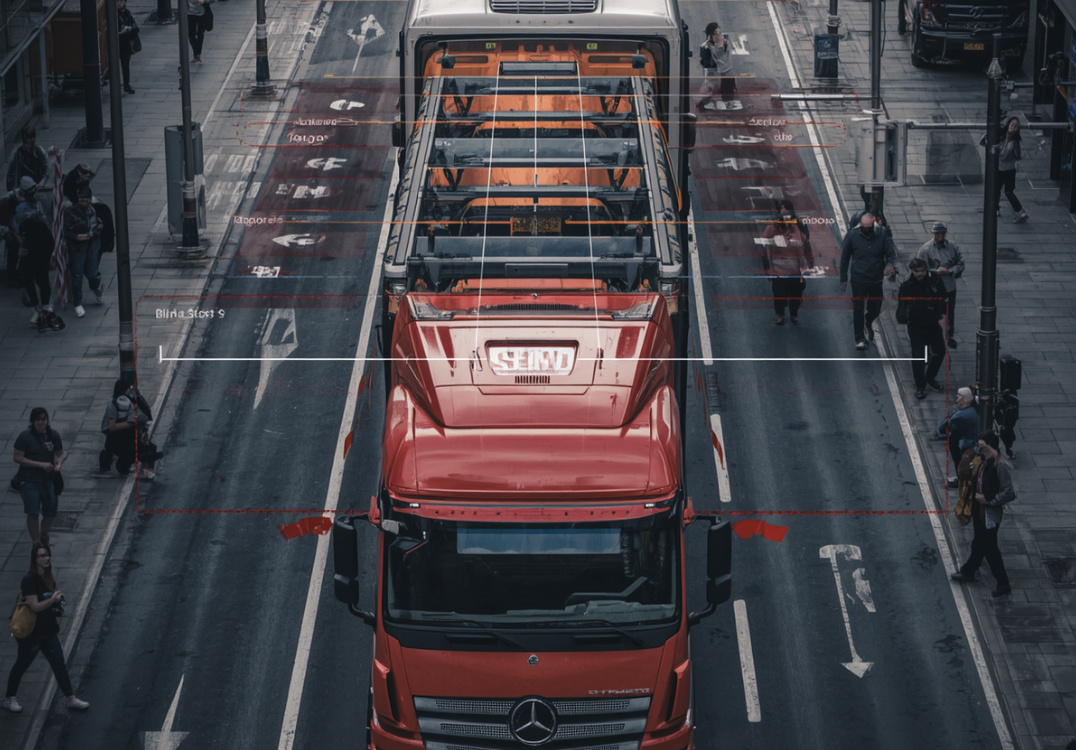
Heavy vehicles pose a significant and often underestimated threat to pedestrians and cyclists (Vulnerable Road Users - VRUs). There is a widespread lack of education around the sheer number of blind spots that exist around a standard heavy vehicle. They are zones that render people completely invisible to a driver, regardless of their skill or experience.

Blind spot exposure is more extensive than most people realise - including, in many cases, those outside the cab. The zones where a person can be standing completely unseen are often larger, and closer to the vehicle, than a first impression suggests.

The Scale of the Risk

Blind spot incidents are a well-documented and recurring cause of serious injury and death on Australian roads.  In fact, many commercial vehicles have visibility limitations across as much as 40 per cent of the area surrounding the vehicle — a figure that surprises people who assume mirrors provide comprehensive coverage. 

According to the National Road Safety Strategy, 28 per cent of cyclist fatalities in Australia involve a heavy vehicle. Heavy vehicles are disproportionately involved in these crashes.

The National Heavy Vehicle Regulator (NHVR) identifies visibility-related incidents as one of the key safety risks organisations are expected to manage. Under the Chain of Responsibility (CoR) framework, that obligation extends beyond drivers to include fleet operators, managers and the organisations that procure and contract heavy vehicle services.

Where the Blind Spots Are

A standard heavy vehicle has six distinct danger zones where visibility is significantly reduced: front, front corners, sides and rear. Understanding each area is an important starting point for reducing risk.

Front nose: A driver may be unable to see a person standing within several metres of the front of the cab, including children or anyone crouching.

Front corners: The transition zones between the front and sides of the vehicle create additional visibility limitations, particularly during slow-speed manoeuvres in congested yards, depots and loading areas.

Left side: Often the highest-risk zone. Cyclists travelling alongside a truck during a left-hand turn are particularly vulnerable.

Right side: Significant areas of reduced visibility remain along the vehicle’s length, especially when turning.

Rear: Reversing incidents remain among the most common heavy vehicle safety events. Mirrors alone leave substantial gaps in rear visibility.

For a detailed breakdown of these zones and recommended controls, refer to the NHVR Blind Spot Factsheet.


How to Identify Visibility Issues in Your Fleet

Awareness alone does not reduce risk. Before effective controls can be implemented, organisations need to understand where visibility limitations exist across their various heavy vehicles. Identifying areas of poor visibility is a critical first step in reducing blind spot risk and improving overall fleet safety. There are several practical steps to get started.

Walk-around assessments: Have a colleague stand at various positions around the vehicle while the driver remains seated and reports what they can and cannot see using mirrors alone. This simple exercise can reveal significant heavy vehicle visibility limitations that may not be apparent during normal operations.

Mirror audits: Check that all mirrors are correctly adjusted, maintained and providing the coverage they were designed to deliver. Damaged or poorly adjusted mirrors can significantly increase visibility gaps and blind spot risk around the vehicle.

Review near-miss data: Review near-miss data: Look for patterns in incident and near-miss records across your fleet. Recurring left-side or reversing incidents may point to systemic blind spot exposure that training alone has not resolved.

Engage your drivers: Drivers who operate these vehicles daily often have a practical understanding of where visibility is limited. Structured consultations can address blind spot risks that formal assessments might miss.

The Case for Active Blind Spot Monitoring

Under the CoR framework, organisations must implement controls that are reasonably practicable, given the level of risk involved. As safety technology has become more affordable and accessible, specifying technology-based controls is increasingly expected, not optional.

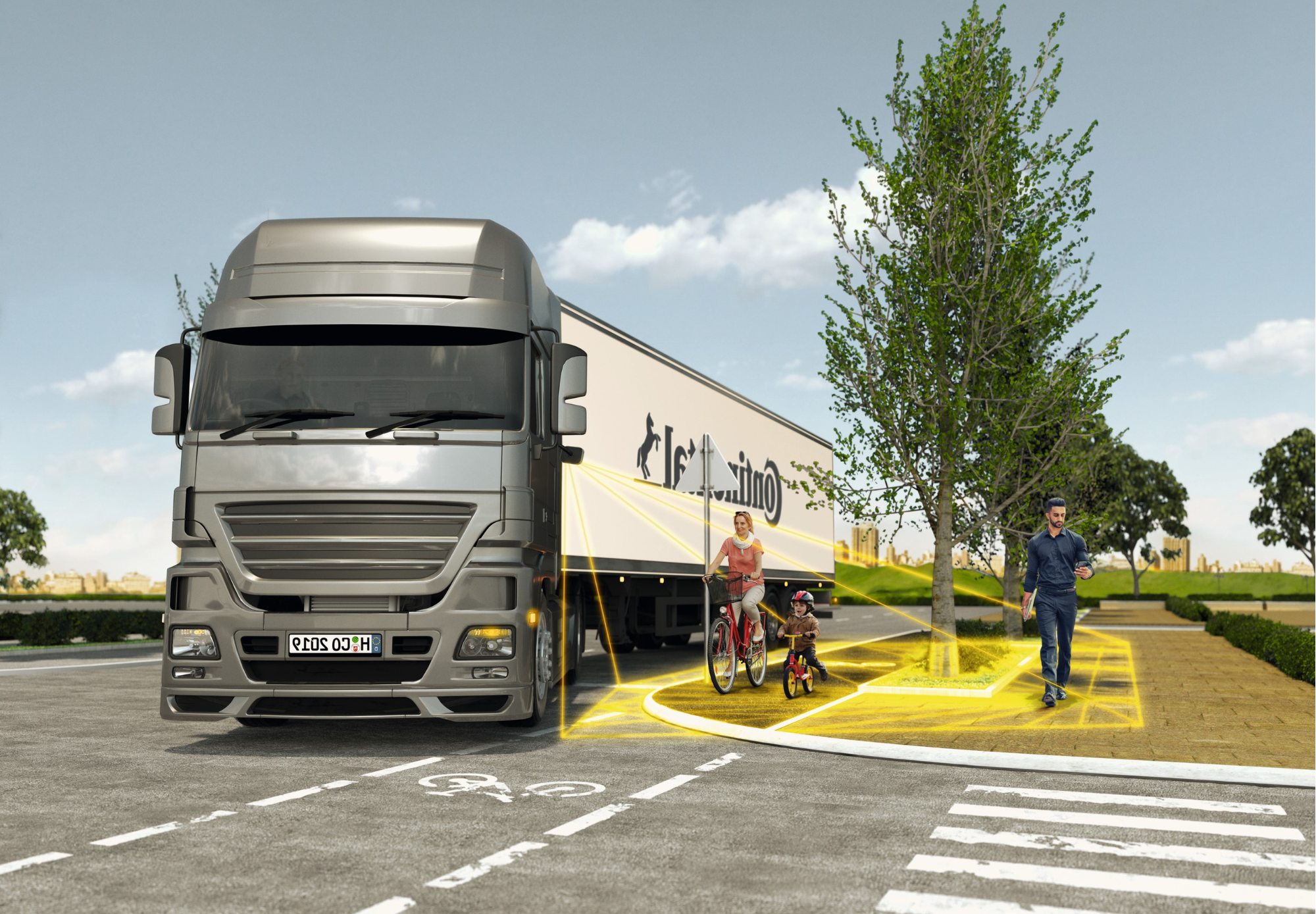
Modern detection systems can identify people, cyclists and objects in high-risk areas around a vehicle and provide drivers with immediate visual and audible alerts when a hazard is detected. These technologies overcome the inherent visibility limitations that exist across many commercial vehicle designs.

Research by the Insurance Institute for Highway Safety found that vehicles equipped with blind spot detection technology experience a 14 per cent reduction in lane-change crashes, increasing to 23 per cent when combined with rear cross-traffic alerts.

For fleet operators, these systems also provide a verifiable layer of safety that supports compliance with CoR obligations, managing visibility-related risks.

For procurement teams, specifying blind spot visibility technology within tender documentation establishes a consistent safety standard across contractor fleets.

SGESCO’s Protect 360 AI suite is purpose-built to address this. The solutions within Protect 360 AI combine to provide total coverage across all six danger zones - front, front corners, sides and rear. Modular by design, it allows organisations to prioritise high-risk areas first, such as side and rear visibility, with the flexibility to add additional zones (DELETE: progressively) as operational needs and budget allow.

Taking the Next Step

Heavy vehicle blind spots are a known, foreseeable and manageable risk.

Advanced visibility solutions are increasingly being adopted as part of a comprehensive risk management strategy to address blind spot risk and improve heavy vehicle visibility.

Whether you are a fleet operator reviewing vehicle safety specifications or a procurement team establishing contractor requirements, the next step is moving from awareness to action.

Explore SGESCO’s blind spot monitoring solutions today.

Discover more related news

Protecting Vulnerable Road Users

Protecting Vulnerable Road Users

Every so often we are profoundly reminded about why we do what we do here at SGESCO-MAX: create safety solutions for protecting vulnerable road users...

Read More
Brisbane Olympics Construction

Brisbane Olympics Construction

The Brisbane 2032 Olympics will herald a construction boom across SE QLD. With that comes increased risks to Vulnerable Road Users. Will SE QLD...
Read More
Improving Truck Driver Visibility with MAX-SAFE

Improving Truck Driver Visibility with MAX-SAFE

Blind spots at the front, corner and sides of heavy vehicles are often the main cause of collisions with vulnerable road users, resulting in...

Read More