Heavy Vehicle Solutions for 2022
When it comes to safety and heavy vehicle solutions, is your organisation doing all that it can in 2022 to save the lives of its drivers and others?
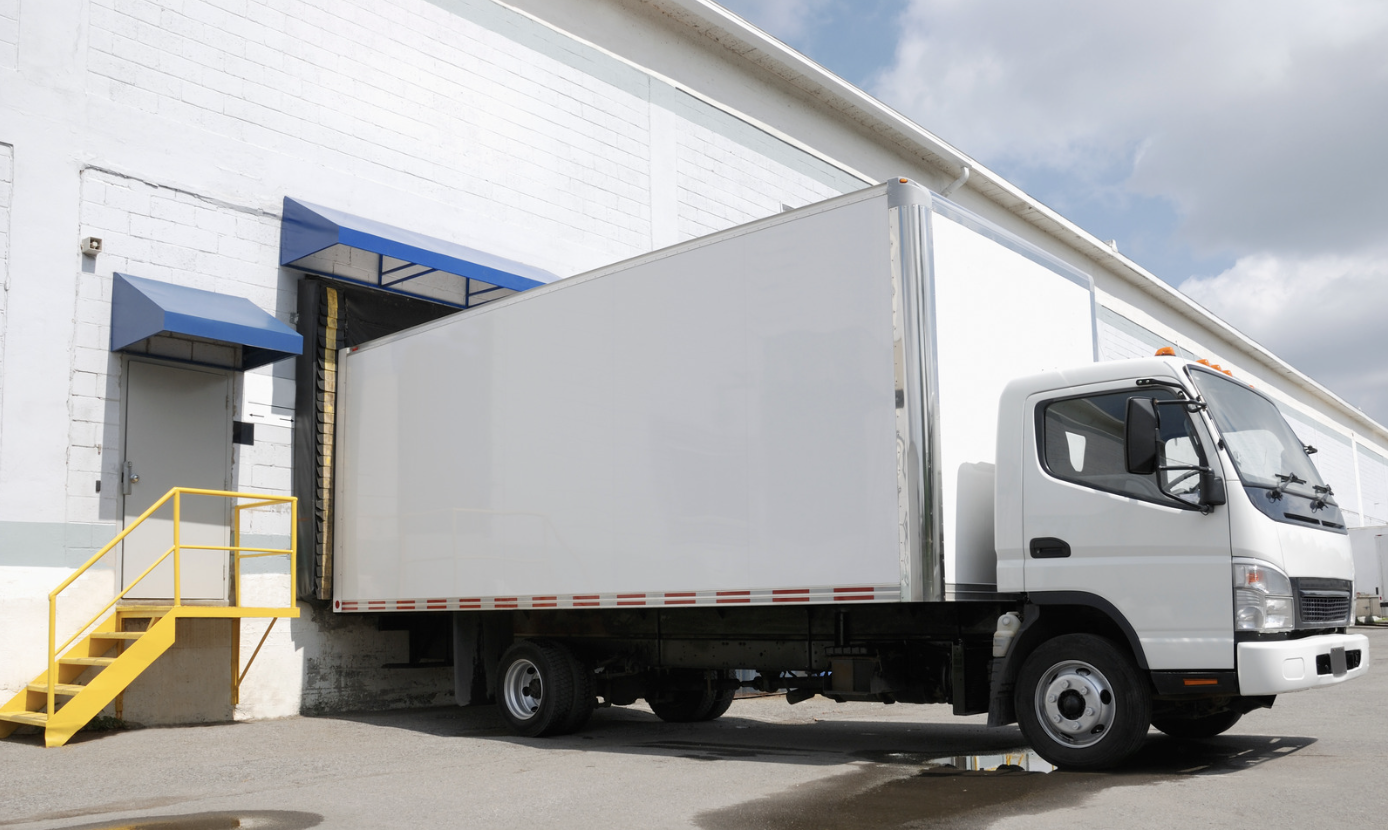
When it comes to heavy vehicle safety, is your organisation doing all that it reasonably can to protect its drivers, workers and the wider public?
Heavy vehicles continue to play a critical role in supporting Australia’s growing population, freight demands and essential services. Yet many of the risks surrounding heavy vehicle operations remain well understood and highly foreseeable.
Rollaways. Reversing incidents. Blind spots. Pedestrian interactions. Driver fatigue and distraction. These are not new problems.
Regulators in Australia and internationally, however, are placing increasing focus on whether organisations have taken practical and reasonable steps to reduce known risks through engineered safety measures (which remove the human factor), training and stronger fleet oversight.
Importantly, heavy vehicle safety technology has improved significantly in recent years. Advanced AI camera systems, intelligent braking and sensor systems and connected fleet safety platforms are now more affordable, more accurate and increasingly becoming mainstream across commercial fleets.
Here are our top, heavy vehicle safety tips for 2026 for addressing the major risks.
One of the most serious and preventable heavy vehicle incidents is unintended vehicle movement, commonly referred to as a rollaway.
These incidents often occur during routine tasks or short stops when a driver exits the cab and the park brake has not been fully applied. Even a very slight incline can be enough for a heavy vehicle to move unexpectedly.
Rollaways regularly occur during waste collection, deliveries, loading and unloading, depot activity and roadside inspections.
An Anti-Rollaway solution helps prevent these incidents by automatically braking a vehicle if the driver exits the cab without properly applying the park brake.
Rather than relying solely on human actions, this engineered heavy vehicle safety solution actively intervenes before a vehicle can move and cause harm.
There are four common scenarios:
Rollaways are well-known and foreseeable risks. The question increasingly being asked is whether practical controls were in place to prevent them.
Reversing heavy vehicles remains one of the highest-risk, most-time-consuming manoeuvres in transport, waste management, construction and logistics environments.
Many heavy vehicles have little to no rear visibility through mirrors alone. Drivers are often required to rely on side mirrors while operating in constrained environments around workers, pedestrians, contractors and the public.
Traditional reversing alarms can warn people that a vehicle is moving. However, they do not detect a person entering a blind spot and they do not prevent a collision.
Today, affordable AI camera technology has changed all that making heavy vehicles much safer
AI-powered reversing camera systems, such as MAX-SAFE Reverse View, can now detect pedestrians and other vulnerable road users with up to 99% accuracy, warning drivers of risks behind the vehicle through internal audible alerts and visual warnings.
More advanced solutions, such as MAX-SAFE Reverse Watch, go a step further by using a dynamic sensor to monitor behind the vehicle and actively braking if a person or obstacle enters a danger zone while reversing.
This technology works across rigid vehicles, articulated combinations, trailers and hook lifts.
Sadly, reversing incidents continue to claim lives each year. In December 2025, a worker died after being struck by a reversing rear-loader garbage truck at the Cleanaway Ravenhall waste facility in Victoria.
Many workers are killed or seriously injured every year in work-related reversing incidents due to rear blind spots and limited driver visibility. Engineering controls that actively reduce these risks are becoming increasingly important.
Blind spots are not just at the rear of a vehicle.
Heavy vehicles have significant blind spots on both sides, in front of the cab and immediately around the vehicle. In some situations, blind spots can extend across multiple lanes or several metres beyond what mirrors alone can safely show.
This creates significant risk when changing lanes, turning at intersections, manoeuvring in urban environments and operating around cyclists or pedestrians.
Left turns remain particularly high risk for heavy vehicles in Australia due to the driver sitting on the right-hand side of the vehicle while vulnerable road users often approach on the left.
Modern AI camera systems are now helping to close these visibility gaps.
Unlike traditional cameras, AI-powered MAX-SAFE View solutions actively detect pedestrians, cyclists, motorcycles and vehicles in blind spots and warn drivers before an incident occurs.
These systems can be configured with:
For fleet managers, this type of technology is no longer considered niche or prohibitively expensive. It is increasingly becoming a practical and affordable heavy vehicle safety measure across commercial fleets.
The risks are real. In February 2023, cyclist Angus Collins was fatally injured in West Melbourne after a cement truck turned left at an intersection near Footscray Road construction works. The Victorian Coroner later described the incident as a preventable tragedy and identified several contributing risks, including sight line issues.
Heavy vehicle turning movements, particularly left turns, remain a recognised high-risk activity where better visibility and earlier warnings can help reduce the chance of tragedy.
Seatbelts save lives. This is well understood in passenger vehicles, yet seatbelt compliance continues to be an issue in buses and onsite transport operations.
Modern seatbelt monitoring systems can now alert drivers when occupants are not properly restrained or unbuckle while travelling with intelligent sensoring and redundancy measures built in.
For buses and workforce transport vehicles, this provides another layer of accountability and reassurance that occupants are protected.
The consequences of not wearing a seatbelt can be devastating.
In June 2023, a charter bus carrying wedding guests overturned at a roundabout near Greta in the Hunter Valley, NSW. Ten people were killed and many others seriously injured.
Court proceedings later heard that while seatbelts were fitted, most passengers were not wearing them. The driver was sentenced to imprisonment after pleading guilty to dangerous driving offences causing death and injury.
Separately, Linq Buslines, company executives and managers have faced heavy vehicle law prosecutions relating to alleged safety failures, including matters relating to driver oversight and drug testing. As of 2026, legal proceedings remain ongoing.
For fleet operators, the lesson is evident. Safety systems, clear policies and active monitoring matter.
Driver fatigue, distraction and unsafe driving behaviour continue to contribute to serious heavy vehicle incidents.
In-cab driver monitoring solutions can detect:
Importantly, recording devices can be connected to new AI camera solutions to identify unsafe driving around VRUs. These systems serve a dual purpose, providing an accurate record of what happened for later police investigations and insurance claims.
Drivers can receive immediate in-cab alerts to refocus or take action, while fleet managers gain visibility of trends that may require coaching, retraining or further intervention. These systems are designed to support drivers, not replace them.
This level of awareness can help reduce risk and improve outcomes for both drivers and employers.
Heavy vehicle safety solutions are most effective when they work together.
Rather than relying on disconnected technologies, many organisations are moving toward an integrated fleet safety ecosystem that combines:
The advantage of such an ecosystem, like what SGESCO-MAX provides, is that is maximises the investments made in the ECU, software and the collective potential it offers.
An integrated system also provides fleet managers with greater oversight of incidents, near misses, driver behaviour and site-based hazards. In short, greater certainty that safety risks are being well managed.
In many cases, the technology is already preventing incidents. The next step is making sure the information is visible and actionable.
A holistic solution creates opportunities to identify recurring risks, strengthen policies and intervene earlier. It also provides business benefits through greater operational efficiencies.
Even the best safety technology only works when drivers understand how to use it.
Heavy vehicles fitted with modern safety systems should be supported by practical, easy-to-understand training so operators understand:
Importantly, training should not be a once-off event.
As fleets evolve and technology becomes more advanced, refresher training and clear operating procedures become increasingly important.
At the end of the day, safety technology is there to support drivers, not complicate their job.
Australia’s heavy vehicle workforce continues to evolve.
Many new drivers are entering transport, logistics, waste and delivery sectors without decades of heavy vehicle experience behind them. At the same time, vehicles are increasingly operating in denser urban environments, near pedestrians, cyclists and vulnerable road users.
Becoming a safe and experienced heavy vehicle operator takes time.
For fleet managers and organisations, ensuring vehicles are fitted with practical, affordable and effective safety solutions is one of the most important steps in reducing incidents, protecting people and managing organisational risk.
Because when it comes to heavy vehicle safety, preventing a tragedy is always better than responding to one.

When it comes to safety and heavy vehicle solutions, is your organisation doing all that it can in 2022 to save the lives of its drivers and others?
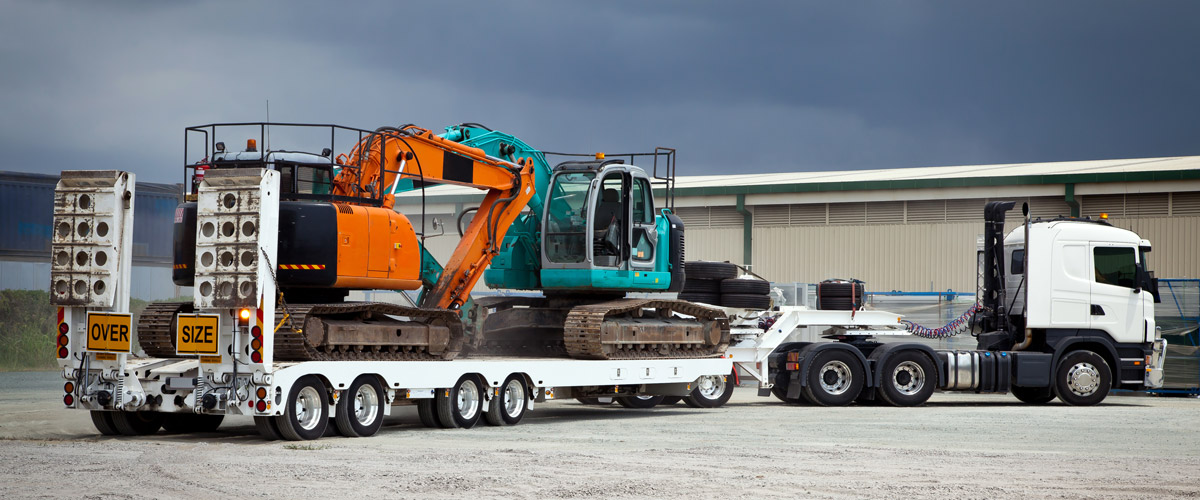
Adopting heavy vehicle safety technologies is a challenge for fleet managers and trucking companies dealing with rising operating costs and only a...
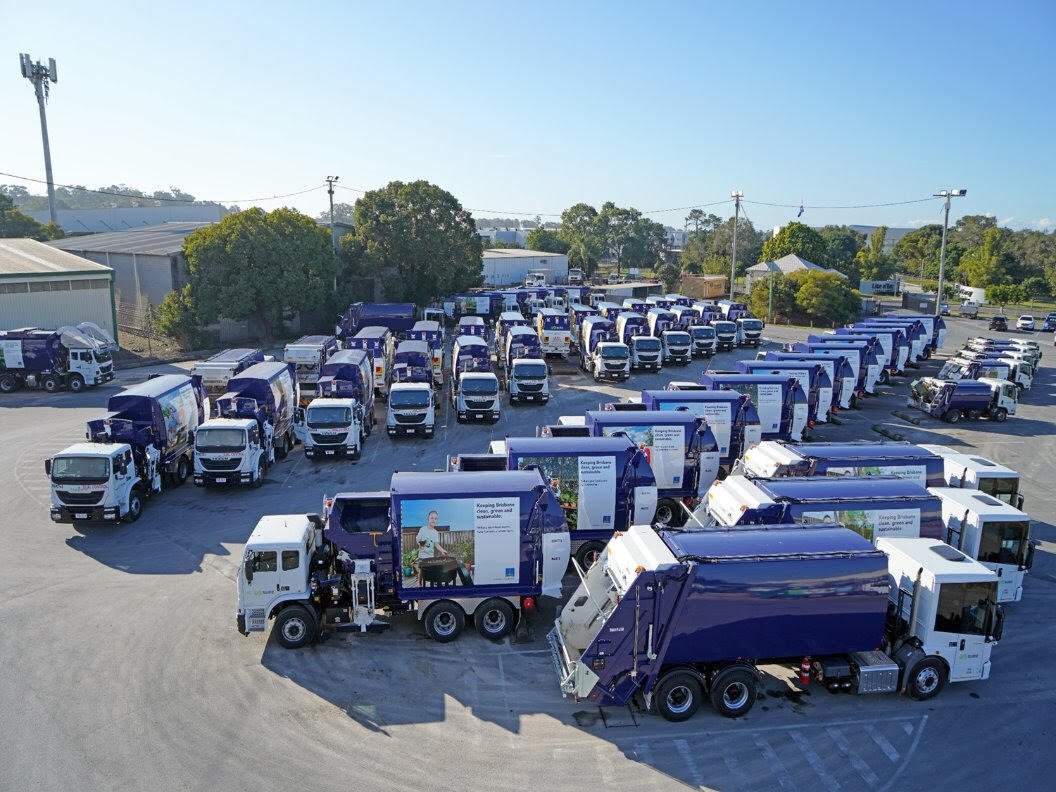
After offering AI-based heavy vehicle safety solutions for two years the benefits of this exciting technology continue to compound.