SGESCO-MAX joins NRSPP
FIRST VEHICLE SAFETY TECH DEVELOPER TO JOIN 15 May 2021 SGESCO-MAX is excited to become the first vehicle safety technology partner of theNRSPP...
3 min read
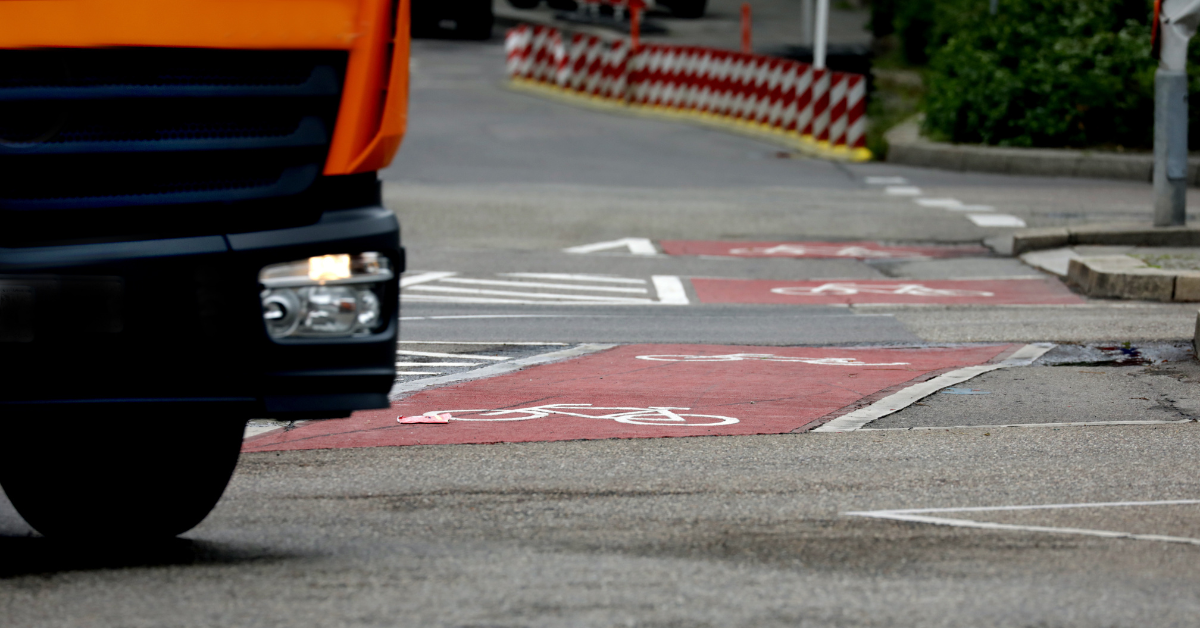
Across Australia, expectations around heavy vehicle safety are shifting.
For many years, safety management in transport, construction, waste, and local government fleets has focused heavily on policies, training, and documentation. While these remain important, regulators and industry bodies are increasingly signalling that paperwork alone is no longer enough.
The emphasis is moving toward preventing foreseeable harm, particularly where heavy vehicles interact with workers and the public.
This shift is reflected in updates to safety frameworks such as the NHVR Industry Master Code, as well as initiatives like CLOCS-A, which are encouraging organisations to adopt practical safety controls that actively reduce risk on the road and at worksites.
Technology is becoming a critical part of that conversation.
Heavy vehicles operate in environments where the consequences of incidents can be severe.
Their size, weight, and operating characteristics create risks that are not present with smaller vehicles. Large blind spots, longer stopping distances, and restricted visibility all increase the likelihood of incidents involving pedestrians, cyclists, workers, or other vehicles.
These risks are particularly evident in sectors such as:
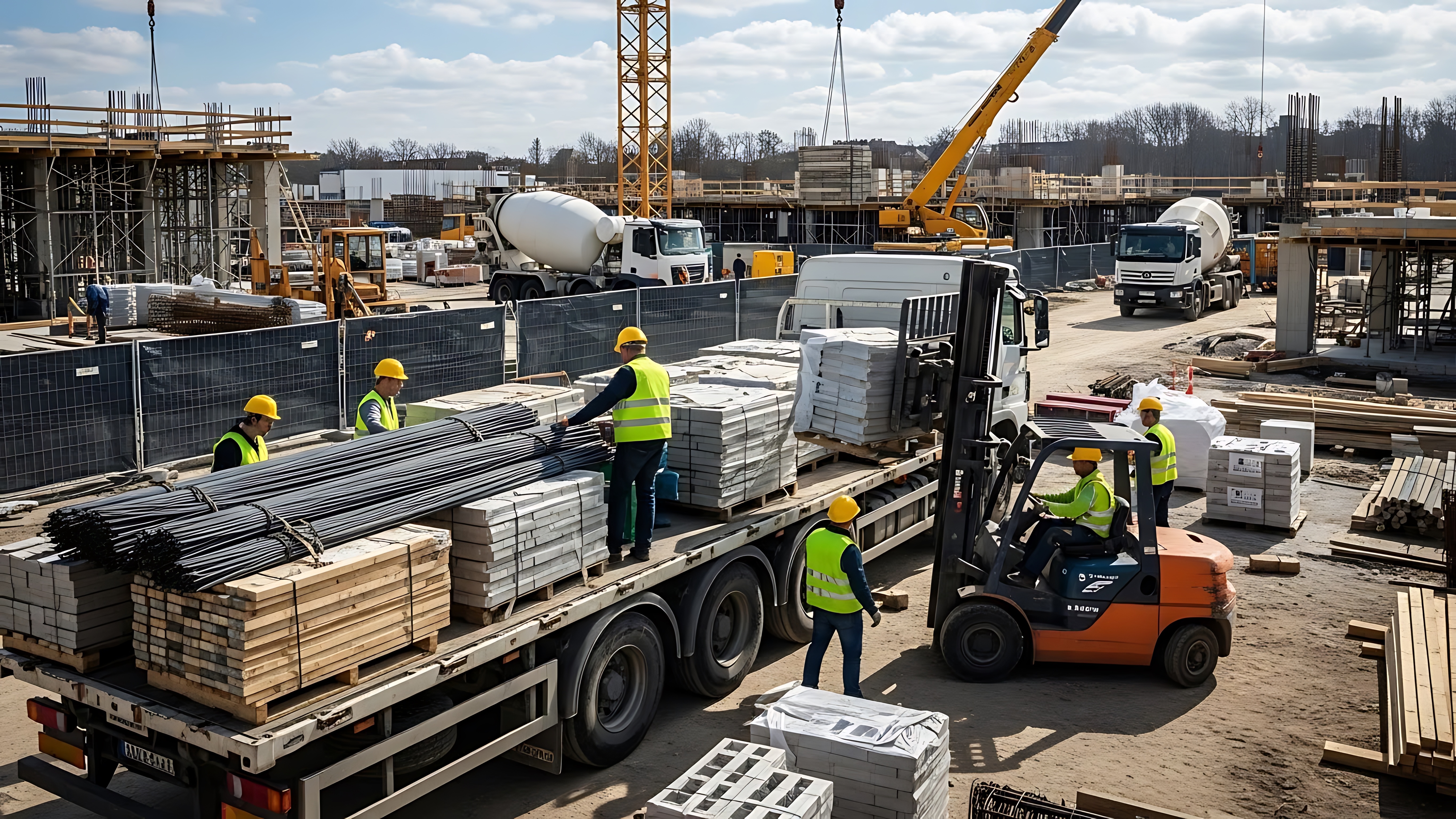
In many cases, heavy vehicles operate in busy urban environments or shared worksites, where workers and members of the public may be moving around the vehicle.
When incidents occur, investigations increasingly ask the same question:
Was the risk foreseeable, and were reasonable steps taken to prevent it?
Historically, organisations have relied on a combination of measures to manage heavy vehicle risk.
These typically include:
While these controls remain important, they are not always enough to prevent incidents in complex operating environments.
Human factors such as fatigue, distraction, poor visibility, and time pressure can all contribute to situations where a driver simply cannot detect a hazard quickly enough.
As a result, regulators and safety frameworks are increasingly encouraging fleets to look beyond administrative controls and consider engineered controls that actively reduce risk.
Advances in vehicle safety technology are helping fleets address some of the most common causes of heavy vehicle incidents.
Rather than relying solely on driver awareness, modern safety systems can provide additional layers of protection by detecting hazards, alerting drivers, and warning people around the vehicle.
Examples of safety technologies now being adopted across heavy vehicle fleets include:
Blind spots are one of the most significant safety challenges for heavy vehicles.
Camera systems can improve visibility around the vehicle, allowing drivers to see areas that would otherwise be hidden from mirrors or direct line of sight.
These systems are particularly useful when vehicles are:
Improved visibility can help drivers make safer decisions and reduce the likelihood of collisions with vulnerable road users.
.png?width=1200&height=628&name=SGESCO%20Blog%20Images%20(1).png)
Proximity sensors and detection technologies are designed to identify when a person or object is close to the vehicle.
These systems can provide real-time alerts to the driver, helping them recognise hazards that may not be immediately visible.
In environments such as waste collection, construction sites, and depots, where workers may be operating close to moving vehicles, proximity detection can provide an additional layer of awareness.
Audible warning systems alert pedestrians and other road users when a vehicle is performing a potentially hazardous movement.
Examples include:
These warnings can be particularly important in busy urban areas, where cyclists or pedestrians may not be aware that a heavy vehicle is about to move or turn.
Driver assistance technologies are increasingly being integrated into heavy vehicles to support safer driving.
These systems may include features such as:
By identifying hazards earlier and supporting driver reaction times, these systems help reduce the likelihood of incidents.
As safety technology becomes more widely available and affordable, expectations around its use are changing.
In many sectors, organisations that contract heavy vehicles are beginning to specify safety technology requirements as part of procurement and tender processes.
In some jurisdictions and major infrastructure projects, safety technologies such as blind spot cameras, proximity detection, and audible turning alerts are increasingly being specified as minimum vehicle requirements.
This reflects a broader industry shift toward proactive risk management, where organisations are expected to demonstrate that they have implemented practical measures to reduce foreseeable safety risks.
For fleet operators, the evolving safety landscape presents both challenges and opportunities.
Organisations that take a proactive approach to heavy vehicle safety can benefit from:
As safety frameworks continue to evolve, the role of technology in preventing heavy vehicle incidents is likely to become even more significant.
Forward-thinking fleet operators are already recognising that investing in safety technology is not just about compliance. It is about protecting people, improving operational safety, and preparing for the future of heavy vehicle regulation.
FIRST VEHICLE SAFETY TECH DEVELOPER TO JOIN 15 May 2021 SGESCO-MAX is excited to become the first vehicle safety technology partner of theNRSPP...

Across Australia, local governments are increasingly reviewing the safety standards applied to heavy vehicles operating within council fleets and...
CLOCS-A now in force in NSW; Victoria underway One year after giving notice, Transport for NSW (TfNSW) now requires all heavy vehicle contractors...