2 min read

Why Councils Are Reviewing Heavy Vehicle Safety Standards

Why Councils Are Reviewing Heavy Vehicle Safety Standards
5:03

Across Australia, local governments are increasingly reviewing the safety standards applied to heavy vehicles operating within council fleets and contractor services.

This shift is being driven by several factors, including updated safety guidance from regulators, increasing interaction between heavy vehicles and the public, and the evolving expectations outlined in the NHVR Industry Master Code.

For councils responsible for waste collection, road works, civil construction and other transport activities, the safety of heavy vehicle operations is becoming a key governance issue.

Heavy Vehicles Operating in Public Environments

Many council-operated or contracted heavy vehicles work in environments where the public is present.

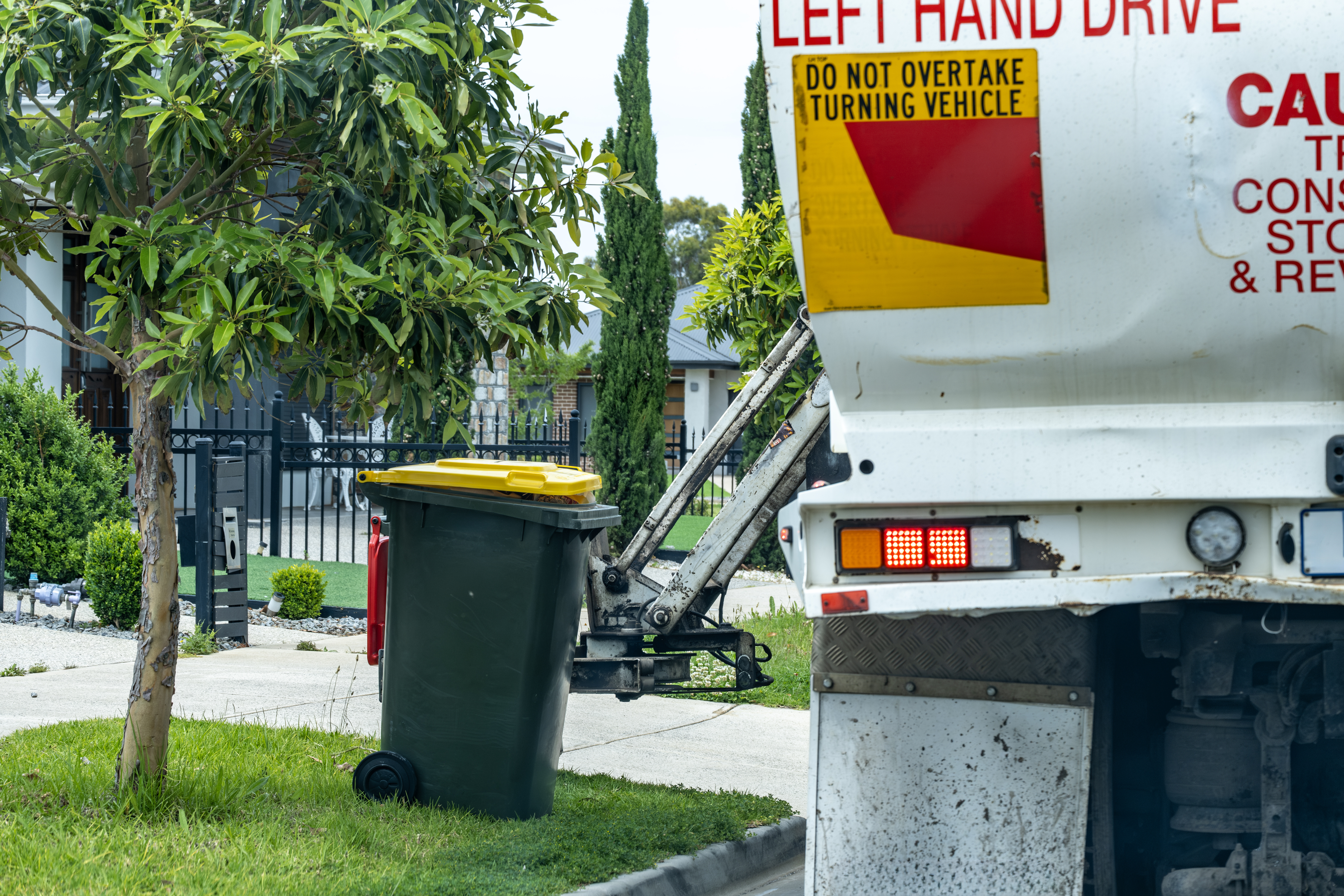
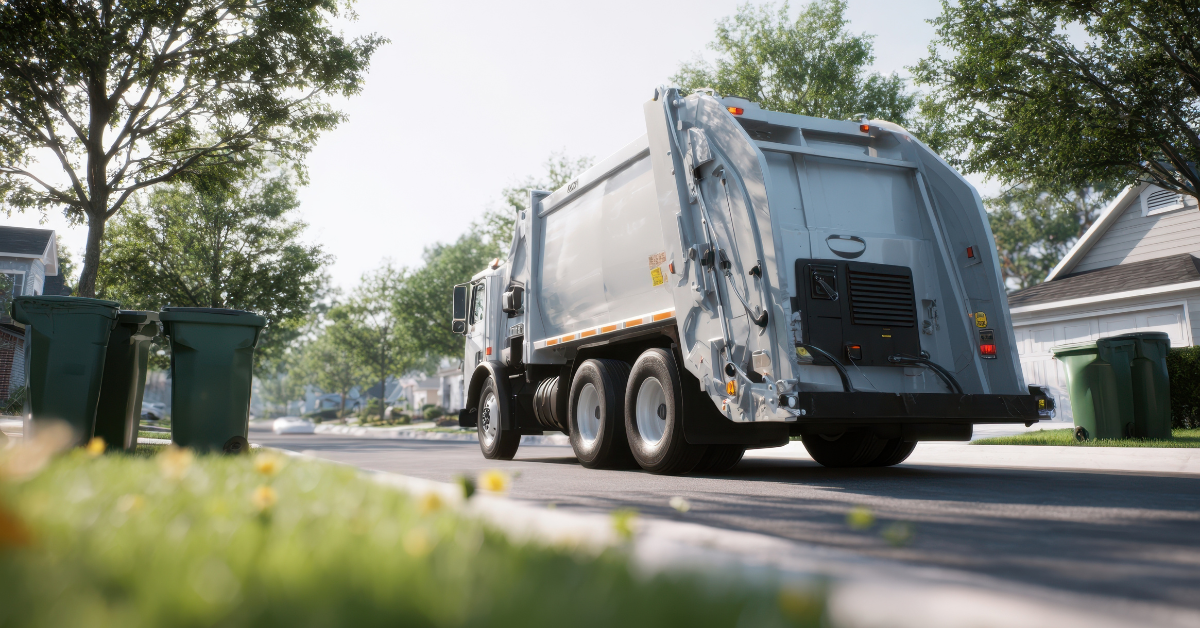
Waste collection trucks operate on suburban streets. Maintenance vehicles work on roads shared with cyclists and pedestrians. Construction and civil vehicles often move between worksites and busy public areas.

These operating environments increase the likelihood of interaction between heavy vehicles and vulnerable road users (VRUs) such as pedestrians, cyclists and scooter riders.

Due to their size and design, heavy vehicles typically have larger blind spots than passenger vehicles and require longer distances to stop. These characteristics mean incidents involving heavy vehicles can result in severe consequences.

As a result, councils are increasingly reviewing how their fleet standards address these risks.

Chain of Responsibility Applies to Local Government

Under the Heavy Vehicle National Law, councils and other organisations involved in heavy vehicle operations must comply with the Chain of Responsibility (CoR) framework.

This law ensures that responsibility for heavy vehicle safety does not sit solely with drivers.

Instead, accountability extends across the entire transport task, including organisations that:

  • Manage fleets
  • Procure heavy vehicles
  • Engage contractors
  • Schedule transport activities
  • Receive goods or services

Each party has a duty to ensure, so far as reasonably practicable, that transport activities are conducted safely.

For councils, this means reviewing whether their fleet policies, contractor requirements and procurement standards adequately address known heavy vehicle risks.

The Influence of the Master Code Update

The updated NHVR Industry Master Code reflects what regulators have learned from incident investigations, coronial findings and evolving industry practices.

One of the key messages from the update is that organisations are expected to take practical steps to prevent foreseeable harm, particularly where heavy vehicles interact with workers or the public.

For councils, this has prompted a closer look at several areas of fleet management, including:

  • Vehicle safety specifications
  • Contractor vehicle requirements
  • Risk management processes for heavy vehicle activities
  • Monitoring and review of safety controls

Many councils are also reviewing how safety expectations are embedded within tender and procurement documentation.

Procurement as a Safety Control

Procurement processes are increasingly recognised as a key mechanism for improving heavy vehicle safety outcomes.

When councils engage contractors to deliver waste collection, civil works or infrastructure services, the safety requirements specified in contracts determine the standards vehicles must meet.

By clearly defining safety requirements during procurement, councils can help ensure that heavy vehicles operating within their jurisdiction are equipped with appropriate safety measures.

This may include requirements designed to address risks such as:

  • Uncontrolled vehicle movement
  • Reversing incidents
  • Blind spot collisions
  • Interactions with vulnerable road users
  • Hazards associated with specialised equipment such as waste collection arms or loaders

Clear procurement standards also create consistency across contractor fleets.

Strengthening Safety Across Council Fleet Operations

As population growth increases demand for infrastructure, waste services and road maintenance, heavy vehicle activity within council operations will continue to grow.

At the same time, communities expect local governments to prioritise public safety and reduce risks wherever possible.

By reviewing fleet safety standards, contractor requirements and procurement specifications, councils can ensure their heavy vehicle operations align with evolving regulatory expectations.

The NHVR Master Code update provides an opportunity for councils to strengthen these processes and improve safety outcomes across their fleets and contractor networks.

Organisations reviewing their heavy vehicle safety requirements can also refer to the Heavy Vehicle Safety Requirements Information Pack, which outlines common operational risks and example tender clauses that can assist in defining fleet safety standards.

Download the Information Pack

Discover more related news

The NHVR Master Code Update and Chain of Responsibility

The NHVR Master Code Update and Chain of Responsibility

Across Australia, heavy vehicle safety expectations are evolving.

Read More
The Cost of a Human Life

The Cost of a Human Life

Putting a dollar figure to the value of a human life is an odd thing to do. Many of us do it though, when taking out life insurance to cover our...

Read More
AI Cameras will Save Cyclists from Heavy Vehicles

AI Cameras will Save Cyclists from Heavy Vehicles

In the coming decade, 40% of Australians will be at risk of being struck by a heavy vehicle if fleet operators don’t take critical CoR actions to...

Read More