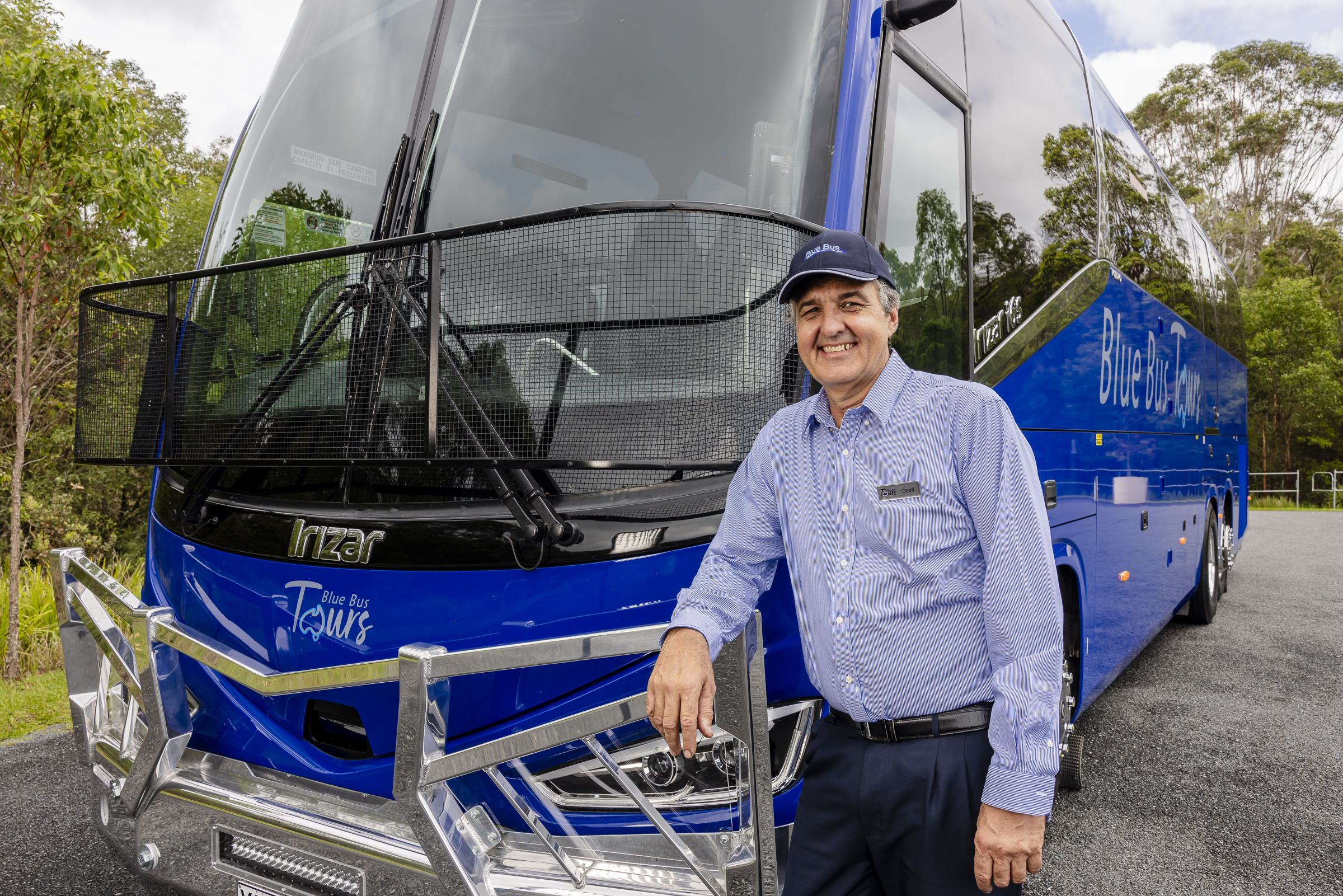
Passenger transport environments present a distinct set of safety risks, particularly in bus operations where multiple occupants are carried within a single vehicle.
In these settings, occupant behaviour, limited driver visibility, and the dynamic nature of transit conditions can all influence the likelihood and severity of injury during an incident.
Unrestrained passengers represent one of the most significant risk areas in bus operations. Where seatbelts are not worn, the potential for serious injury increases substantially — and technology-based systems are needed to provide continuous visibility and support consistent application of safety controls.
Understanding the Risk to Occupants
Incidents involving buses can result in severe consequences for passengers, particularly in situations where seatbelts are not worn.
Data across Australia and New Zealand highlights the ongoing nature of this risk. Over a ten-year period, an average of 22 people per year lost their lives in bus crashes, with injuries occurring far more frequently in non-fatal incidents https://sgesco.com.au/safety-solutions/occupant-safety.
This risk is often influenced by several factors, including:
- Passengers not wearing seatbelts during transit
- Limited visibility for drivers to monitor occupant behaviour
- Movement of passengers within the vehicle while in operation
- High-capacity environments where multiple occupants must be managed
For drivers, managing these risks requires ensuring passengers are seated and wearing seatbelts while maintaining focus on operating the vehicle.
The Challenge of Monitoring Passenger Safety
Bus drivers are responsible for both vehicle operation and passenger safety.
In high-capacity environments, it can be difficult to confirm that all occupants are wearing seatbelts, particularly during transit. Distractions, passenger movement, and limited visibility within the vehicle can all impact a driver’s ability to monitor compliance.
As a result, organisations may rely on procedures and passenger instructions that are not always followed consistently.
This highlights the need for systems that support drivers by providing visibility of occupant safety without adding to their workload.
Supporting Drivers Through System-Based Controls
The MAX-SAFE Seatbelt Warning System™ is designed to support occupant safety by continuously monitoring seatbelt usage within the vehicle.
Rather than relying on manual checks, the system provides real-time visibility of which seats are occupied and whether seatbelts are engaged. This allows drivers to focus on operating the vehicle while maintaining awareness of passenger safety.
The system activates automatically when the vehicle is in operation, ensuring continuous monitoring without requiring driver input.
How the System Works in Practice
The system monitors each seat and seatbelt connection through an integrated network, providing information directly to the driver interface.
This process can be understood in three key stages:
- Check: The system identifies occupied seats and detects whether seatbelts are engaged
- Notify: Visual and audible alerts are provided when an unbuckled occupant is detected
- Action: The driver is informed and can respond appropriately based on real-time information
This structured approach supports situational awareness without disrupting normal vehicle operation.
Applying Safety Controls in Practice
Implementing a seatbelt monitoring system provides a practical way to manage occupant safety risks within bus operations.
In practice, this may include:
- Providing drivers with clear visibility of occupant safety without requiring manual checks
- Supporting consistent application of safety requirements across all passengers
- Reducing reliance on passenger compliance alone
- Ensuring risks are identified and addressed during the journey, not only before departure
By embedding these controls into the vehicle environment, organisations can better align safety expectations with day-to-day operations.
Strengthening Safety Outcomes for Passengers
Occupant safety remains a critical consideration in bus operations, particularly in environments where large numbers of passengers are transported regularly.
Systems that monitor seatbelt use provide a way to bridge the gap between safety expectations and real-world conditions, helping to reduce the likelihood and severity of injury in the event of an incident.
Organisations looking to strengthen their approach to occupant safety can learn more about available solutions here: http://sgesco.com.au/safety-solutions/occupant-safety